

Your Brand Is a Wrestling Match
What WWE figured out in the 80s that influencers are learning now

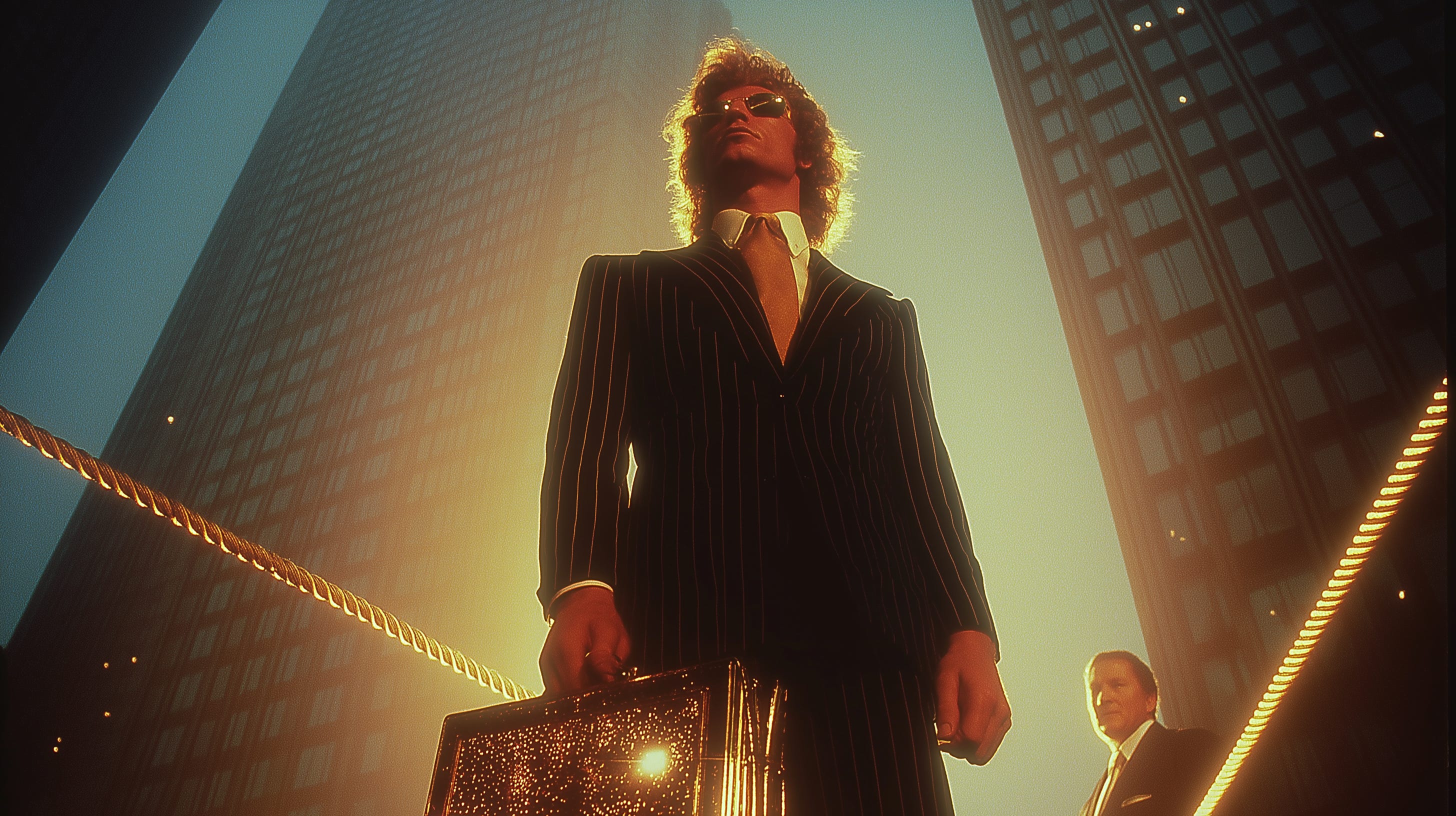
Logan Paul steps into the ring at WrestleMania 38, and 77,899 people lose their minds.
The crowd knows he's a YouTuber playing wrestler.
They know the outcome is predetermined.
They know every word spoken in the pre-match interview was scripted weeks ago.
They don't care.
Because what Logan Paul figured out…
What the top influencers stumbled into
What your favorite personal brands are unconsciously executing
WWE mastered it in the 1980s.
The recipe for turning passive scrollers into rabid fans.
Fans who defend you in comment sections.
Who mark events on their calendars months in advance.
Who are emotionally invested in outcomes they know are manufactured.
Most marketers think WWE is entertainment.
They're wrong.
WWE is a 40-year controlled experiment in human psychology.
And the results are being replicated across every platform you're on right now.
The Code Every Influencer Is Running
When Logan Paul manufactured a rivalry with KSI that culminated in two boxing matches generating millions in pay-per-view revenue, he wasn't innovating.
He was executing a framework WWE perfected decades ago.
The Japan forest controversy?
A villain origin story.
The redemption arc?
Classic face turn.
The ongoing feuds with other influencers?
Weekly episodic content building toward a pay-per-view event.
Over in the UK, the Sidemen and their extended universe run pure WWE storytelling.
Manufactured beef.
Alliance formations.
Betrayals.
Redemption arcs.
Massive event content people circle on calendars.
Right now, Andrew Tate supposedly replaced KSI as CEO of Misfit Boxing.
This sparked exactly the kind of controversy and drama WWE plants in throwaway segments six months before they become main events.
Even Mr. Beast, who seems less drama-focused, uses WWE-style escalation.
Every video is a bigger stunt, higher stakes, a more impossible challenge.
The same formula WWE uses for WrestleMania.
Keep raising the spectacle to maintain audience interest.
These influencers didn't study WWE.
They discovered the same psychological triggers because those triggers work.
But WWE spent four decades split-testing these techniques on live audiences.
Measuring what makes people emotionally invested.
What keeps them coming back week after week.
What creates moments people discuss for years.
When WrestleMania 29 needed to promote The Rock vs. John Cena, WWE deployed 800 different ads generating 800 million impressions.
The result?
35% increase in Twitter followers
15% jump in online sales
35% improvement in pay-per-view buys
That's not entertainment marketing.
That's precision engineering of narrative psychology.
Modern influencers stumbled into these techniques by accident.
WWE systematized them.
Characters Over Content
WWE doesn't have wrestlers.
It has characters.
More importantly, it has relationships between characters that audiences feel emotionally invested in.
There's always a hero (the face) and a villain (the heel).
The audience knows exactly who to root for and against.
How does this relate to marketing?
The best influencers and brands don't exist in a vacuum.
They position themselves against something or someone.
They create tension.
They manufacture rivalries.
Gary Vee positioned himself against traditional corporate culture.
Alex Hormozi positioned himself against gurus selling courses without real businesses.
Logan Paul literally boxes his rivals.
Every successful influencer has identified their villain.
Sometimes it's a competitor.
Sometimes it's outdated thinking.
Sometimes it's a common enemy their audience shares.
Sometimes it's their own past self they're fighting to overcome.
The hero's journey isn't just a storytelling framework.
It's a marketing framework.
Your audience wants to see struggle, transformation, and victory.
They want to see you face obstacles (the villain) and overcome them.
That investment transforms followers into fans.
Followers vs. Fans
Followers are passive.
They might see your content.
They might even like it.
Fans are active participants in your narrative.
WWE figured this out decades ago.
Their audience doesn't just watch.
They chant. They boo. They create signs.
They argue online about who should win.
They're emotionally invested in outcomes they know are predetermined.
This is the magic.
When you deploy storytelling tactics - creating characters, manufacturing tension, building toward payoffs - you transform passive scrollers into active participants.
Your audience starts caring about what happens next.
They start discussing it.
They start defending you in comment sections.
They start telling their friends about your storyline.
The Minute Maid x WWE collaboration demonstrated this perfectly.
Limited-edition products.
QR codes for exclusive content.
Interactive pop-ups at 15 WWE events.
The campaign drove a 9% surge in sales and a projected 3.4x ROI because WWE understands how to make audiences participate, not just consume.
Every piece of content you create should fit into a larger narrative.
You're not just posting tips or insights.
You're building toward something.
You're creating chapters in an ongoing story where your audience is invested in the outcome.
Most brands think in campaigns.
WWE thinks in decades-long story arcs.
The Long Game
WWE plants seeds for storylines months or years in advance.
A throwaway comment in one episode becomes the catalyst for a major rivalry six months later.
A subtle behavior change signals a heel turn that engaged fans catch before it becomes obvious.
The Shield - Roman Reigns, Seth Rollins, and Dean Ambrose - formed a faction that dominated WWE.
Then Seth Rollins betrayed Roman Reigns.
The Shield broke up.
Cut to nearly 15 years later, at WrestleMania.
Roman loses to Cody Rhodes because he gets distracted by Seth Rollins.
One betrayal created a narrative thread that shaped a decade and a half of storylines, culminating in a championship change at WWE's biggest event.
This is decades of storyline building.
You can do this with your brand.
Create ongoing storylines your audience follows like a TV series.
The journey to launch a product, with setbacks and breakthroughs.
The evolution of your methodology and philosophy.
The rivalry with conventional wisdom in your industry.
Your own transformation story told in real-time chapters.
Each piece of content is both standalone valuable and part of a larger narrative arc.
People should be able to jump into any episode and get value.
But the most engaged fans who follow the story get easter eggs, callbacks, and deeper meaning.
WWE has run the same basic formula since the 1980s.
Heroes, villains, dramatic tension.
But they constantly evolve the characters, storylines, and presentation to stay relevant to new generations.
Your core narrative framework can stay consistent, but the specifics need to evolve.
Your hero's journey continues.
New villains emerge.
Old heroes become mentors.
Plot twists keep things fresh.
Most brands burn out because they think they need to completely reinvent themselves every few years.
WWE proves that's wrong.
What you need is a strong foundational narrative structure that allows for infinite variation within it.
Building Your Universe
Think about how you can create a narrative framework for your brand that's robust enough to evolve over years or decades.
What's your brand's universe?
The rules that govern it?
Who are the recurring characters - yourself, your team, your community?
What are the ongoing conflicts that drive the narrative forward?
How can you introduce new elements while maintaining continuity?
WWE doesn't just build weekly content.
They build transmedia narrative worlds.
Weekly shows extend to exclusive online content, documentaries, merchandise.
Each platform references the others, creating a complete universe.
For WrestleMania campaigns, they coordinate digital ads, social content, email blasts, live events, and behind-the-scenes access.
Every touchpoint advances the narrative and deepens fan investment.
You can execute this at any scale.
A product launch becomes a multi-chapter story told across email, social media, video, and live events.
Your methodology evolution becomes an ongoing documentary your audience follows.
Your industry rivalry becomes weekly episodic content building toward a major event.
The brands that last
The personal brands.
The company brands.
The movements.
They understand they're not just selling products or sharing information.
They're creating an ongoing narrative that people want to follow.
The Playbook You're Already Watching
Every successful influencer you follow is running some version of the WWE playbook.
Most of them don't realize it.
Logan Paul does.
He literally joined WWE because he understands the formula better than almost anyone in the influencer space.
Look at his entire career trajectory:
Manufactured rivalries
Redemption arcs
Ongoing feuds
Event-based content
All of this is WWE storytelling applied to digital platforms.
KSI and the Sidemen run it.
Mr. Beast runs a variation of it.
Every personal brand that keeps you coming back week after week has figured out some piece of what WWE systematized.
The difference is that WWE has been doing this since the 1980s.
They've run controlled experiments on live audiences for 40 years.
They've measured what makes people emotionally invested.
They've codified what keeps audiences coming back.
They've engineered moments that people talk about for decades.
They've created the source code that modern influencers are accidentally running.
So when I say you need to study WWE to be a great marketer, I'm not being ironic.
I'm saying study the system that the most successful modern influencers discovered by trial and error.
Study how WWE creates characters, not just personalities.
How they manufacture tension that feels organic.
How they build storylines over years and decades.
How they transform passive viewers into active participants.
How they evolve while maintaining narrative continuity.
Because those techniques don't just work in wrestling.
They work in any environment where you need people to care about what happens next.
Your audience doesn't want more content.
They want a story worth following.
They want characters worth rooting for.
They want tension worth discussing.
They want payoffs worth anticipating.
WWE figured out how to deliver that every single week for 40 years.
The question isn't whether storytelling techniques work.
WWE proved they work.
The question is:
Are you going to keep searching for new, secret, original methods…
Or are you going to study the playbook that works.
That's been hiding in plain sight the whole time.
That created a billion dollar empire.